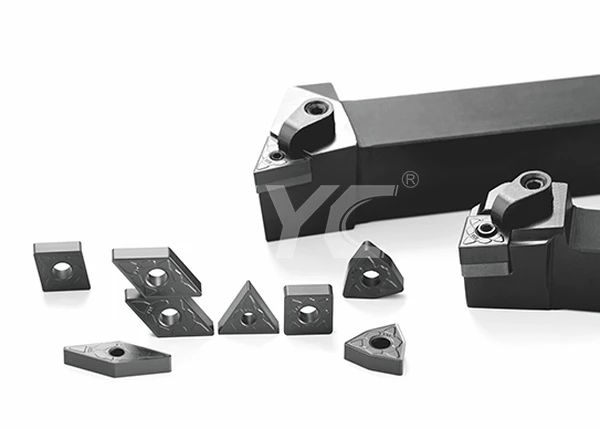
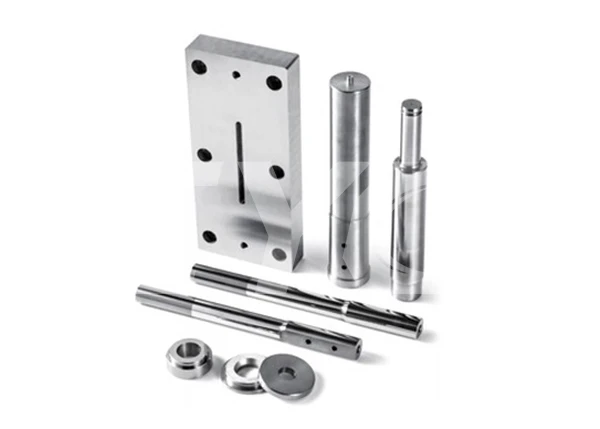
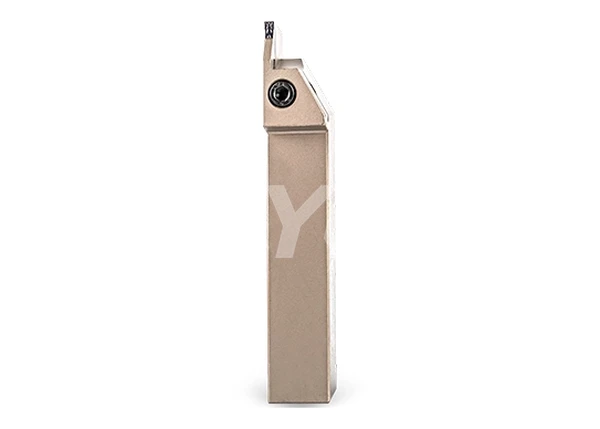
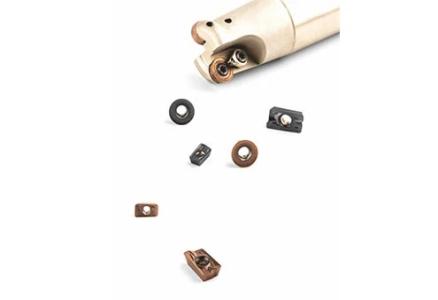
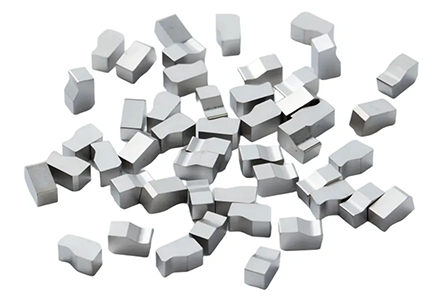
In the world of high-performance machining, tungsten inserts have become indispensable tools, especially in high-temperature applications. These inserts are widely used due to their ability to withstand the extreme heat generated during machining processes, making them ideal for industries like aerospace, automotive, and manufacturing of high-performance components.
The ability of tungsten inserts to maintain their hardness and precision under elevated temperatures is critical in ensuring efficient and reliable machining. This article delves into the benefits and applications of tungsten inserts in high-temperature machining and highlights their importance in today's advanced manufacturing environments.
The High-Temperature Resistance of Tungsten Inserts
Tungsten inserts are specifically designed to perform in environments where heat can degrade other cutting tools. Tungsten, as a material, has an incredibly high melting point, which allows these inserts to maintain their sharpness and structural integrity even in high-heat conditions. This makes them an ideal choice for turning inserts manufacturers who need to ensure that their tools can handle the stress of high-speed machining of tough, heat-resistant materials.
In machining operations that involve high-strength alloys, such as titanium or stainless steel, the heat generated can cause premature wear and tool failure for conventional inserts. However, tungsten inserts are resistant to thermal shock and wear, significantly extending tool life and reducing downtime in production processes.
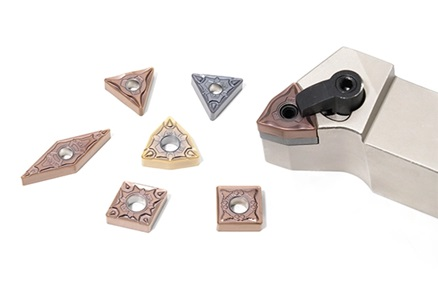
Improving Efficiency with Tungsten Inserts in High-Temperature Operations
The use of tungsten inserts in high-temperature machining leads to significant improvements in machining efficiency. These inserts maintain their cutting edge longer than other tool materials, reducing the need for frequent tool changes. In industries like aerospace and automotive, where time is of the essence, the ability to run machines at higher speeds with tungsten inserts ensures that production lines remain efficient without compromising quality.
The inserts' resistance to high-temperature wear and ability to perform under high cutting forces allow manufacturers to achieve high-quality finishes, even in challenging conditions. By reducing the need for tool replacements, tungsten inserts contribute to smoother and faster operations, allowing for greater productivity and profitability.
Applications of Tungsten Inserts in High-Temperature Machining
Tungsten inserts are particularly suitable for high-temperature machining applications that involve materials like nickel-based alloys, superalloys, and hardened steels. These materials are commonly used in industries where high heat resistance and durability are crucial, such as the aerospace, automotive, and energy sectors. In aerospace, for example, tungsten inserts are used to machine turbine blades, engine components, and other critical parts that are exposed to high temperatures.
The inserts can handle the intense heat and stress involved in shaping these complex components, ensuring precise cuts and maintaining part integrity. Similarly, in the automotive industry, tungsten insert is used to machine engine blocks, transmission parts, and brake components, where both performance and reliability are paramount. The ability of tungsten inserts to maintain their edge during such demanding machining tasks ensures that manufacturers can produce high-quality parts without frequent tool changes or part rework.
How Tungsten Inserts Compare to Other Tooling Materials
When it comes to machining high-temperature materials, tungsten inserts have distinct advantages over other tooling materials. For example, compared to high-speed steel (HSS) or carbide inserts, tungsten inserts are significantly more heat-resistant and can perform better under extreme cutting conditions. While carbide inserts are commonly used for many applications, they tend to wear out faster when exposed to extreme temperatures, whereas tungsten inserts retain their cutting performance much longer. The table below provides a comparison between tungsten inserts and other commonly used tooling materials:
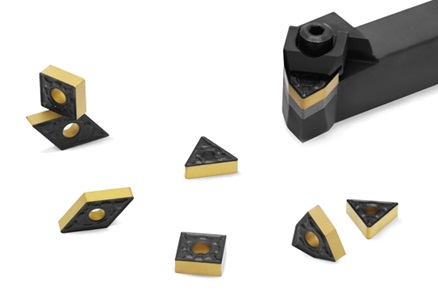
Why Tungsten Inserts Are Crucial for Modern Manufacturing
As industries continue to advance of materials and production speeds, tungsten inserts are becoming increasingly essential for high-temperature machining. The continuous demand for more durable, heat-resistant components has driven turning inserts manufacturers to innovate and develop tools capable of performing under the most challenging conditions.
Tungsten inserts allow manufacturers to meet these challenges head-on, ensuring consistent quality, high productivity, and minimized tool downtime. Whether used in precision aerospace components or automotive engine parts, tungsten inserts provide the reliability and performance needed to drive modern manufacturing processes.
The exceptional properties of tungsten inserts make them indispensable in high-temperature machining, offering benefits such as longer tool life, enhanced efficiency, and improved machining quality. By choosing the right tungsten insert, manufacturers can overcome the challenges posed by high-temperature materials, ensuring that their operations remain competitive and sustainable in the modern industrial landscape.
References:
American Machinist: Tooling for High-Temperature Machining
Modern Machine Shop: The Role of Tungsten in Machining
Cutting Tool Engineering: Innovations in Tungsten-Based Inserts