In today's manufacturing landscape, sustainability is a key priority for businesses striving to minimize their environmental impact while maintaining high-quality production standards. Carbide insert milling cutters play a critical role in this shift toward more sustainable manufacturing practices.
These tools offer advantages such as longer tool life, improved efficiency, and reduced waste, which help companies reduce their overall ecologicalfootprint. This article explores how carbide insert milling cutters contribute to sustainable manufacturing, focusing on their impact on resource conservation, waste reduction, and energy efficiency.
Enhancing Resource Efficiency with Carbide Insert Milling Cutters
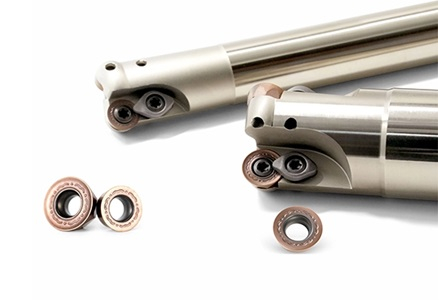
One of the primary ways carbide insert milling cutters contribute to sustainable manufacturing is by enhancing resource efficiency. Carbide is known for its exceptional hardness, wear resistance, and service life, which translates to a significantly longer tool life compared to traditional cutting materials. The longer lifespan of carbide insert milling cutters means that fewer tools are required for the same amount of work, which ultimately reduces the consumption of raw materials and the frequency of tool replacements. This not only minimizes resource use but also reduces the environmental impact associated with manufacturing and disposal of worn-out tools.
Furthermore, carbide insert milling cutters are designed to withstand high cutting speeds and heavy-duty machining conditions, making them ideal for mass production. By optimizing machining parameters such as speed, feed, and depth of cut, businesses can maximize material efficiency while minimizing energy consumption, contributing to a more sustainable operation overall.
Reducing Waste in the Manufacturing Process
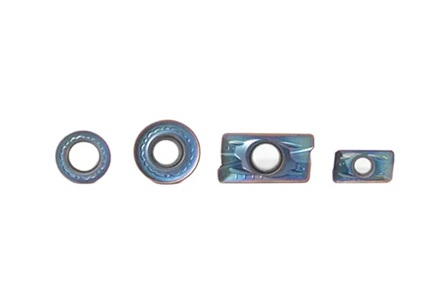
Another significant contribution of carbide insert milling cutters from the leading carbide insert manufacturers to sustainable manufacturing is their ability to reduce waste. Traditional cutting tools often wear out quickly, leading to frequent tool changes and the disposal of worn-out inserts. In contrast, carbide insert milling cutters maintain sharpness for much longer, reducing the frequency of tool replacements and minimizing the amount of waste generated. As a result, the overall volume of scra tools and materials is reduced, which directly impacts the amount of waste sent to landfills.
Additionally, the accuracy and durability of carbide insert milling cutters allow for more accurate cuts, which reduces the likelihood of material waste due to errors or substandard machining. This precision ensures that less material is lost during the machining process, improving the utilization rate of usable parts and decreasing the overall waste generated in production.
Improving Energy Efficiency in Manufacturing Operations
Energy consumption is another important aspect of sustainability in manufacturing. Carbide insert milling cutters contribute to energy efficiency by offering superior cutting performance, which allows machines to operate at higher speeds with and lower power consumption. These tools are designed to withstand high cutting forces, which means that they require less energy to maintain cutting performance over time. As a result, companies can achieve faster output rates without significantly increasing energy usage.
The durability of carbide insert milling cutters also helps reduce the need for frequent machine downtime for tool changes or adjustments, further enhancing operational efficiency. By reducing the frequency of tool changes, manufacturers can keep their machines running longer without interruption, which helps optimize energy use and minimizes the environmental impact associated with frequent machine restarts.
The Long-Term Benefits of Using Carbide Insert Milling Cutters for Sustainable Manufacturing
The long-term benefits of using carbide insert milling cutters in manufacturing go beyond immediate production gains. Over time, the reduced need for tool replacements, lower waste generation, and improved energy efficiency contribute to a more sustainable business model. Companies that adopt carbide insert milling cutters are better positioned to meet the growing demand for environmentally responsible manufacturing practices while also benefiting from increased operational efficiency and cost reduction in the long run.
The use of carbide insert milling cutters is an essential component of sustainable manufacturing strategies, as they help businesses reduce their environmental impact while maintaining high-quality production standards. By investing in high-quality, durable cutting tools like carbide insert milling cutters, manufacturers can reduce waste, conserve resources, and enhance energy efficiency, all of which play a critical role in the broader effort toward sustainability in the manufacturing industry.
Comparison of Carbide Insert Milling Cutters vs. Traditional Tools
To better understand the benefits of carbide insert milling cutters in sustainable manufacturing, it is useful to compare them with traditional cutting tools. Here's a comparison highlighting key differences:
As shown in seenfrom the comparison, carbide insert milling cutters significantly outperform traditional tools in terms of tool life, energy consumption, waste generation, and overall environmental impact. This makes them a critical component in achieving more sustainable manufacturing practices.
By focusing on carbide insert milling cutters, manufacturers can take important steps toward sustainability, ensuring that their operations are more efficient, less wasteful, and better equipped to meet environmental challenges. These cutting tools not only help improve production performance but also play a vital role in reducing the environmental footprint of manufacturing processes.
References:
Manufacturing.net: Sustainable Manufacturing Practices
IndustryWeek: Green Manufacturing Strategies
Modern Machine Shop: Sustainable Machining