Cemented carbide is widely used in mining and wear-resistant components because it combines high hardness and wear resistance with toughness suited to the application. These properties allow carbide components to withstand extreme conditions such as rock drilling, crushing, cutting, and high-pressure material handling.
For mining operations, selecting the right mining carbide solution helps improve tool durability, reduce equipment downtime, and maintain consistent performance in demanding environments. Tungsten carbide is especially valuable in applications where conventional steel components experience rapid wear or failure.
What Makes Tungsten Carbide Suitable for Mining Applications?
The mining industry exposes tools and components to severe mechanical stress, including continuous abrasion, high impact forces, and unpredictable operating conditions. Tungsten carbide performs well in these environments because of its unique combination of tungsten carbide particles and metallic binder.
Its high hardness helps resist abrasive wear from rock and minerals, while the grade's toughness helps it withstand impact loads and resist fracture. This balance makes tungsten carbide suitable for drilling tools, cutting elements, crusher parts, and other mining equipment components.
Why Is Tungsten Carbide Used in Mining Tools?
Mining tools require materials that can maintain cutting performance under extreme pressure and repeated impact. Tungsten carbide provides the wear resistance needed for long operating cycles while maintaining effective cutting ability.
Components such as drill bits, rotary cutters, and excavation tools often use carbide tips because they can penetrate hard geological formations while reducing the frequency of tool replacement. Compared with traditional steel materials, tungsten carbide components typically provide longer service life in abrasive mining conditions.
How Do Carbide Mining Inserts Improve Drilling Performance?
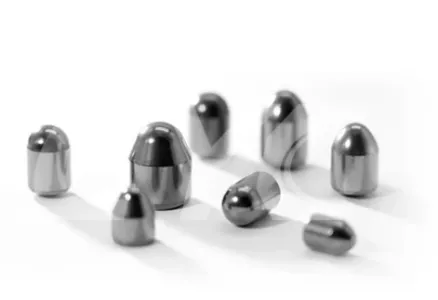
Carbide mining inserts are critical components in many drilling and cutting systems because they provide a durable cutting edge capable of handling harsh geological conditions.
These inserts are commonly used in:
The performance of carbide inserts depends on factors such as grain size, cobalt content, hardness, and toughness. Coarse and extra-coarse grades are used in some mining applications requiring high impact resistance. Grade selection should also consider the rock formation, binder content, wear requirements, and operating conditions.
What Are the Advantages of Tungsten Carbide Wear-Resistant Components?
Tungsten carbide wear-resistant components offer several advantages for industrial applications:
Exceptional Abrasion Resistance
Mining components are exposed to abrasive materials. Carbide's wear resistance can help extend service life, depending on the grade and operating conditions.
High Impact Resistance
Although tungsten carbide is extremely hard, properly designed grades can withstand repeated impact forces, making them suitable for demanding mining operations.
Reduced Maintenance Requirements
Longer-lasting carbide components reduce replacement frequency, minimize equipment downtime, and improve overall operational efficiency.
Stable Performance Under Harsh Conditions
Tungsten carbide maintains reliable performance in environments involving pressure, vibration, and heavy mechanical loads.
Which Tungsten Carbide Grade Is Best for Mining Components?
The ideal tungsten carbide grade depends on the specific mining application and operating conditions.
For applications involving strong impact, such as rock drilling, tougher carbide grades with larger grain structures are commonly selected. For applications requiring higher wear resistance, finer carbide structures may provide better performance.
Factors including rock hardness, drilling speed, impact energy, and operating temperature should all be considered when selecting the appropriate carbide grade.
How Does Tungsten Carbide Compare with Other Materials for Wear Applications?
Compared with many steel components, cemented carbide generally offers higher hardness and abrasion resistance, although performance depends on the materials and operating conditions being compared.
Steel components may offer better toughness in certain situations but generally wear faster when exposed to highly abrasive materials. Tungsten carbide provides a more balanced solution where both wear resistance and operational reliability are required.
This is why tungsten carbide is widely adopted for mining, construction, oil drilling, and other industries involving severe wear conditions.
How to Select the Right Carbide Material for Mining Equipment?
Choosing the right carbide material requires understanding the working environment and performance requirements.
Important considerations include:
Type and hardness of the material being processed
Impact intensity during operation
Required service life
Cutting or drilling speed
Equipment design and operating conditions
Partnering with an experienced carbide manufacturer can help optimize material selection and ensure that carbide components are designed for specific mining challenges.
Conclusion
Tungsten carbide has become a preferred material for mining and wear-resistant components because it delivers an excellent combination of hardness, toughness, and wear resistance. From drilling tools to carbide mining inserts, CYC's tungsten carbide solutions help mining companies improve productivity, reduce downtime, and achieve more reliable equipment performance.
Selecting the correct carbide grade and component design is essential for maximizing service life in demanding industrial environments.
FAQs
Why is tungsten carbide used in mining tools?
Tungsten carbide provides high hardness and wear resistance, allowing mining tools to withstand abrasive rock and heavy impact.
What are carbide mining inserts used for?
Carbide mining inserts are used in drilling, cutting, and excavation tools to improve durability and maintain cutting performance.
Is tungsten carbide stronger than steel?
Cemented carbide is generally harder and more wear-resistant than steel, while steel may offer greater toughness in some applications.
How long do tungsten carbide mining components last?
Service life depends on the carbide grade, operating conditions, material hardness, and equipment design.