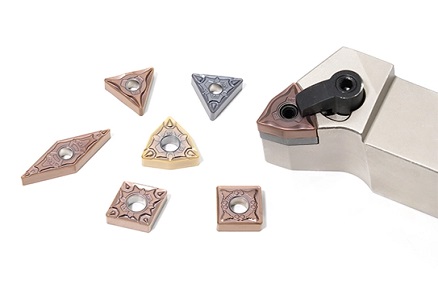
Achieving consistent surface quality while maintaining machining efficiency is a constant challenge in modern metalworking. Tool manufacturers and machine shops need cutting materials capable of resisting wear, maintaining dimensional accuracy, and delivering reliable performance at demanding cutting speeds.
This is where cermet materials provide a valuable solution for manufacturers producing cutting tools for finishing and semi-finishing operations. Combining ceramic hardness with metallic toughness, cermet materials are designed to provide excellent wear resistance, thermal stability, and smooth cutting performance.
CY Carbide develops cermet material solutions for cutting tool manufacturers and precision machining applications where surface quality, tool stability, and predictable cutting performance are important. For manufacturers working across automotive components, aerospace parts, and general industrial machining, choosing the right cermet tool can help improve both machining quality and production consistency.
Why Cermet Materials Are Well Suited for Precision Cutting Tools
One of the primary advantages of cermet materials is their ability to maintain a stable cutting edge during continuous machining.
Compared with conventional cemented carbide in suitable applications, cermet can provide improved wear resistance and reduced material smearing. These characteristics are particularly valuable when the objective is to produce a smooth machined surface rather than simply maximize material removal.
During finishing operations, even small variations in edge condition can influence dimensional accuracy and surface roughness. A stable cermet material structure helps cutting tools maintain consistent machining performance throughout their service life.
This makes cermet materials especially valuable for manufacturers producing cutting tools for production environments where finishing quality needs to remain repeatable from one component to the next.
How Cermet Materials Support Better Cutting Performance and Surface Quality
Surface finish is influenced by many factors, including cutting speed, feed rate, workpiece material, machine rigidity, tool geometry, and cutting-edge condition.
The hardness and wear resistance associated with cermet materials allow the cutting edge to remain relatively stable during appropriate machining operations. Reduced smearing tendencies can also contribute to cleaner cutting and better workpiece surfaces.
For manufacturers producing components with visible surfaces or tight finishing requirements, this can reduce the amount of secondary finishing work required after machining.
A properly selected cermet tool may therefore contribute not only to tool performance but also to the overall productivity of the manufacturing process.
Applications where these advantages can be particularly useful include:
Precision turning
Semi-finishing operations
High-quality finishing passes
Repetitive production machining
Components requiring consistent surface appearance
Machining processes where dimensional stability is important
Cermet Carbide vs. Conventional Cemented Carbide
The terms cermet and carbide are sometimes used together in searches, which is why buyers may encounter phrases such as cermet carbide when researching cutting materials. However, cermet and conventional cemented carbide should not be treated as completely interchangeable materials.
Cermet generally emphasizes wear resistance, finishing capability, and resistance to material smearing. Conventional cemented carbide, meanwhile, may provide greater compressive strength and better resistance to thermal shock depending on the grade and application.
This means the correct material should be selected according to the machining conditions rather than assuming one material is universally superior.
Cermet can be especially advantageous when:
Surface finish is a major priority
Cutting conditions are relatively stable
Continuous or predictable cutting is required
Wear resistance is more important than extreme impact resistance
Higher cutting speeds are being considered
Carbide may remain preferable where machining conditions involve severe interruption, heavy impact, or significant thermal cycling.
Understanding this difference allows manufacturers to match the cutting material more closely to the actual production requirement.
High-Speed Machining and Thermal Stability
As cutting speed increases, heat generation becomes an increasingly important consideration. Excessive temperature at the cutting zone can accelerate tool wear, reduce dimensional consistency, and affect the quality of the finished workpiece.
Cermet materials are valued for their thermal stability in high-speed machining environments. This property helps cutting tools maintain cutting performance where heat generation would otherwise place greater stress on the cutting edge.
For production facilities seeking higher throughput without sacrificing finishing quality, this balance can be important.
However, cutting speed should never be selected based solely on tool material. Workpiece composition, cutting geometry, machine rigidity, coolant strategy, feed rate, and depth of cut should all be considered when establishing machining parameters.
Where Cermet Materials Are Commonly Used in Cutting Tool Applications
The advantages of cermet materials make them relevant across several manufacturing sectors.
Automotive Manufacturing
Automotive production requires large quantities of accurately machined components with repeatable dimensions and surface quality. Cermet cutting materials can support finishing operations where stable wear behavior and consistent results are important.
Aerospace Manufacturing
Aerospace component production often places strong emphasis on precision and process repeatability. Carefully selected cutting materials can help manufacturers maintain predictable machining performance across demanding production processes.
General Engineering and Metalworking
From machine components to industrial equipment parts, general manufacturing facilities regularly perform turning and finishing operations that benefit from reliable cutting-edge stability.
In each case, the most suitable cermet grade should be selected according to workpiece material, machining conditions, geometry, and required surface finish.
What to Consider When Selecting a Cermet Materials and Grades
Selecting a cermet material should involve more than comparing material names. The complete machining environment needs to be considered.
Manufacturers should evaluate:
Workpiece material: Different steels and alloys behave differently during cutting.
Machining operation: Turning, grooving, milling, and other processes place different loads on the cutting edge.
Cutting speed: Higher speeds generate additional heat and require suitable thermal performance.
Feed and depth of cut: These parameters influence cutting forces and edge loading.
Surface finish requirement: Finishing applications may benefit more strongly from cermet characteristics.
Cutting continuity: Continuous cutting generally provides more stable conditions than heavily interrupted machining.
Tool life expectations: Production planning should evaluate usable tool life as well as initial tool cost.
Considering these factors together makes it easier to determine whether cermet is appropriate for a particular machining operation.
CY Carbide Cermet Solutions for Modern Tool Manufacturing
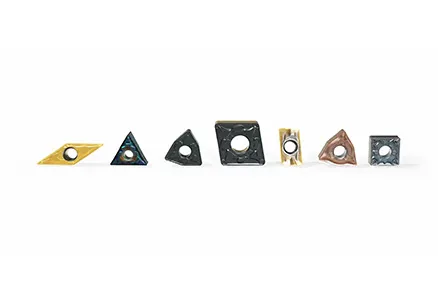
CY Carbide provides cermet materials designed for precision cutting applications, with solutions including cermet tips and rods for different cutting-tool manufacturing requirements.
By combining ceramic hardness with metallic toughness, these materials are intended to support wear resistance, thermal stability, high-speed cutting, and high-quality finishing.
For cutting-tool manufacturers, distributors, and industrial users, selecting the correct material is important because machining performance depends on the interaction between the tool, workpiece, cutting parameters, and production environment.
Rather than relying on a one-material-fits-all approach, manufacturers can evaluate cermet alongside carbide and other cutting materials to identify the solution that best matches their machining objectives.
For applications requiring precision, stable finishing performance, and reliable wear resistance, CY Carbide's cermet materials provide a practical solution for manufacturers developing precision cutting tools.
FAQs About Cermet Cutting Tools
What are cermet materials used for in cutting tools?
A cermet cutting tool uses a composite material that combines ceramic characteristics such as hardness and wear resistance with metallic properties that improve toughness. Cermet materials are widely considered for precision machining and finishing applications.
What is the difference between cermet and carbide cutting tools?
Cermet generally offers strong wear resistance and reduced smearing tendencies, making it particularly useful for finishing applications. Cemented carbide typically provides higher compressive strength and may perform better under heavier impact or thermal-shock conditions.
Are cermet cutting tools suitable for high-speed machining?
Yes. The hardness and thermal stability of cermet materials make them suitable for many high-speed cutting applications, provided the cutting conditions, workpiece material, geometry, and machining parameters are appropriate.
When should manufacturers choose cermet materials?
A cermet tool is worth considering when surface finish, wear resistance, dimensional consistency, and stable cutting conditions are important. It is commonly evaluated for finishing and semi-finishing operations.
Is cermet carbide the same as cemented carbide?
Not exactly. Although cermet carbide is sometimes used as a search term when buyers investigate cutting-tool materials, cermet and conventional cemented carbide have different material compositions and performance characteristics. Tool selection should therefore be based on the actual machining application.
What industries use cermet materials for cutting tool applications?
Cermet cutting materials can be used in automotive, aerospace, general engineering, and other precision manufacturing sectors where high-quality machining and dependable tool performance are required.
Conclusion
Modern machining increasingly requires cutting tools that can provide both productivity and consistent finishing quality. Cermet cutting tools offer an effective combination of wear resistance, thermal stability, and precision cutting performance, making them valuable for manufacturers producing cutting tools for finishing and high-speed machining applications.
By evaluating the workpiece material, machining conditions, cutting parameters, and required surface finish, manufacturers can determine whether cermet is the right choice for their process. With cermet tips and rods designed for demanding cutting-tool applications, CYC provides manufacturers with material options for developing reliable and efficient precision machining solutions.