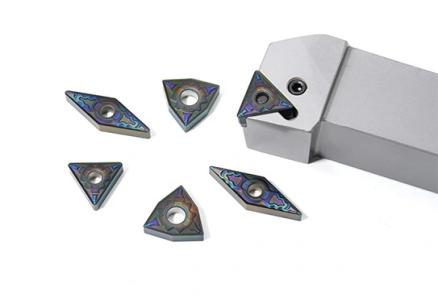
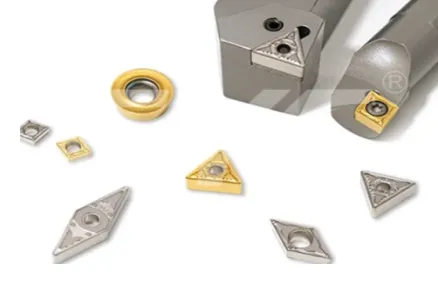
Choosing the right tungsten carbide grade depends on the working conditions, including material hardness, cutting speed, impact load, wear resistance requirements, and operating environment. Grades with higher cobalt content generally provide better toughness for heavy-impact applications, while finer grain structures and lower cobalt content improve hardness and wear resistance for precision machining.
For manufacturers looking for consistent quality and application-specific solutions, working with an experienced tungsten carbide material supplier helps ensure the selected grade matches the performance requirements of the final product.
What Factors Determine the Selection of Tungsten Carbide Grades?
Tungsten carbide grades are mainly determined by the balance between hardness and toughness. Different industrial applications require different combinations of these properties.
The key factors include:
Workpiece material: Hard steels, stainless steels, cast iron, and non-metal materials require different carbide performance characteristics.
Cutting or operating conditions: High-speed cutting requires excellent wear resistance, while interrupted cutting demands stronger impact resistance.
Surface finish requirements: Precision applications often require fine-grain carbide grades to maintain dimensional accuracy.
Operating environment: Heat, corrosion, vibration, and mechanical stress can influence grade selection.
Selecting a grade without considering these factors may result in premature tool wear, edge chipping, or reduced production efficiency.
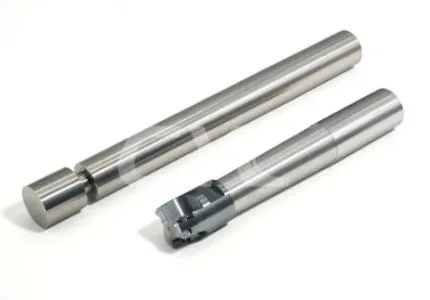
How Do Tungsten Carbide Grades Differ in Hardness and Toughness?
The performance of tungsten carbide is influenced mainly by tungsten carbide grain size and cobalt binder content.
Fine-grain tungsten carbide grades provide higher hardness and better edge retention, making them suitable for precision cutting tools, micro drills, and high-speed machining. However, their lower toughness makes them less suitable for applications involving strong impact.
Coarse-grain carbide grades can offer higher fracture toughness. Higher cobalt content can also improve toughness, but grain size and binder content are separate grade-design variables. These grades are commonly used for mining tools, wear parts, and heavy-duty industrial components where impact resistance is critical.
Which Tungsten Carbide Grade Is Best for Cutting Tools?
For cutting tools such as milling cutters, turning inserts, and drills, wear resistance and thermal stability are the primary considerations.
Fine- and ultrafine-grain grades can provide high hardness and wear resistance, and may be suitable for high-speed machining when the grade, coating, workpiece material, and cutting conditions are compatible. For machining harder materials such as hardened steel or aerospace alloys, carbide grades with optimized hardness and coating compatibility can significantly improve tool life.
Manufacturers should also consider whether the tool will experience continuous cutting or interrupted cutting, as impact conditions require tougher carbide solutions.
How Should Tungsten Carbide Grades Be Selected for Mining and Wear Applications?
Mining tools, crusher components, and wear-resistant parts require carbide grades with high toughness and impact resistance.
Coarse-grain tungsten carbide grades with higher cobalt content are commonly selected for these applications because they can withstand repeated shock loads and abrasive wear. Examples include rock drilling buttons, wear plates, and industrial nozzles exposed to harsh working conditions.
The ideal grade should maintain structural stability while resisting cracking under heavy mechanical stress.
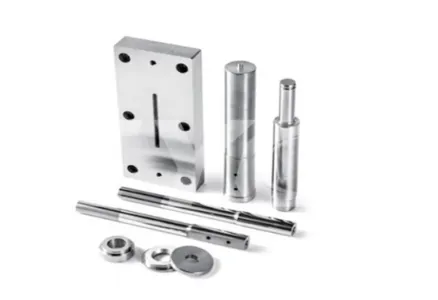
What Tungsten Carbide Grade Is Suitable for Molds and Precision Components?
Precision molds, dies, and forming components require a combination of hardness, wear resistance, and dimensional stability. Corrosion resistance may also be required in certain operating environments and should be considered when selecting the grade.
Fine-grain carbide grades are often used in precision molds and dies where high hardness and wear resistance are important. The grade should be selected according to the application's dimensional stability and corrosion-resistance requirements. Applications such as metal stamping dies, wire drawing dies, and precision tooling benefit from carbide grades with consistent microstructure and high wear resistance.
For these applications, choosing a reliable carbide manufacturer is important because material consistency directly affects mold lifespan and production accuracy.
How Can a Tungsten Carbide Supplier Help Select the Right Grade?
A professional tungsten carbide material supplier can provide more than standard carbide products. Experienced suppliers evaluate the application conditions, recommend suitable grades, and offer customized solutions based on hardness, toughness, and machining requirements.
Technical support from a supplier can help reduce trial-and-error costs, improve tool performance, and ensure stable production quality. Companies with advanced manufacturing capabilities can also provide customized carbide grades for specialized industrial applications.
Conclusion
Choosing the correct tungsten carbide grade requires balancing hardness, toughness, wear resistance, and application conditions. Fine-grain grades are ideal for precision machining and high-speed cutting, while tougher coarse-grain grades perform better in heavy-impact and abrasive environments.
By working with an experienced tungsten carbide material supplier, manufacturers can select optimized carbide solutions that improve tool life, production efficiency, and overall operating performance. CYC provides tungsten carbide and hardmetal materials tailored to different industrial performance requirements, supporting manufacturers in selecting suitable carbide grades for their applications.
FAQs
What is the hardest grade of tungsten carbide?
Fine-grain and ultra-fine grain tungsten carbide grades typically offer the highest hardness and are used for precision cutting applications.
Does higher cobalt content make tungsten carbide stronger?
Higher cobalt content improves toughness and impact resistance but slightly reduces hardness and wear resistance.
How long does tungsten carbide tooling last?
Tool life depends on the carbide grade, application conditions, workpiece material, and operating parameters.
Can tungsten carbide grades be customized?
Yes. Professional carbide manufacturers can develop customized grades based on specific hardness, toughness, and performance requirements.