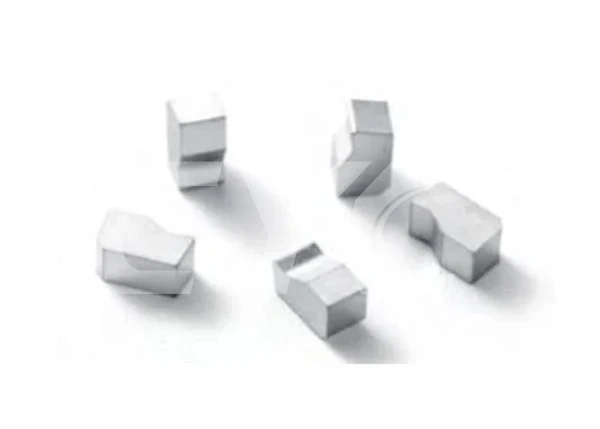
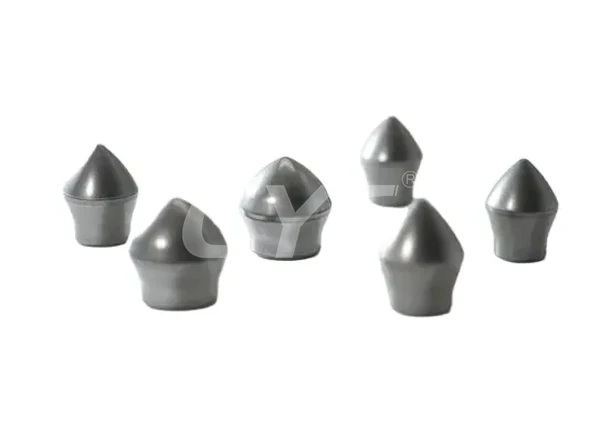
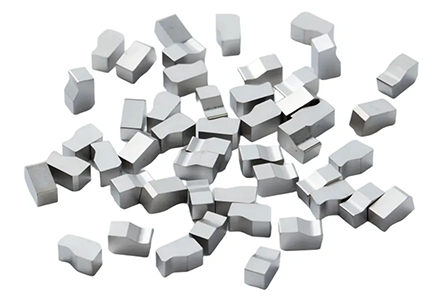
Cermet materials play an important role in modern cutting tool manufacturing by providing excellent wear resistance, thermal stability, and consistent cutting performance for precision machining applications. These characteristics make cermet materials especially suitable for producing cutting tools used in high-speed finishing, continuous machining, and light-interrupted operations.
For manufacturers producing turning inserts, precision machining tools, and other cutting solutions, selecting the right cermet grade can help achieve better surface quality, longer service life, and more stable production performance.
With the proper balance between hardness, toughness, and wear resistance, advanced cermet materials provide a reliable material solution for applications where machining accuracy and finishing performance are critical.
Why Cermet Materials Are Used in Modern Cutting Tools
The performance of a cutting tool depends largely on the properties of its substrate material. During machining, the tool material must withstand high temperatures, friction, mechanical stress, and continuous wear while maintaining a stable cutting edge. Cermet materials are designed for applications where surface finish, dimensional consistency, and wear resistance are more important than extreme impact resistance.
Modern cermets typically contain titanium-based hard phases such as Ti(C,N), which provide high hardness and excellent resistance to flank wear and plastic deformation. The metallic binder phase improves toughness and supports reliable performance under suitable machining conditions.
Compared with conventional cemented carbide, cermet materials generally offer:
Improved resistance to adhesive wear
Reduced tendency for built-up edge formation
Better surface finish capability
Stable cutting performance at higher speeds
Predictable wear behavior during continuous machining
These characteristics make cermet an important material option for manufacturers developing cermet cutting tools for precision finishing applications.
Applications of Cermet Materials in Turning and Finishing Tools
Cermet materials are widely used in cutting tool applications where stable machining conditions and high-quality surface finishes are required. In automotive manufacturing, bearing production, and general engineering, manufacturers often process large volumes of steel components where consistency and production efficiency directly influence overall costs.
Cermet materials can be used for manufacturing cutting tools designed for:
Precision shaft machining
Bearing-related components
Transmission parts
Bushings and sleeves
General steel turning applications
Finishing operations requiring smooth surfaces
Cermet performs particularly well when machining low-carbon steels, ferritic steels, stainless steels, and other ferrous materials where built-up edge and material adhesion may affect machining quality.
However, material selection should always consider the complete machining environment. Cutting speed, feed rate, depth of cut, machine rigidity, workpiece clamping, and cutting geometry all influence the final performance of a cermet grade.
For cutting tool manufacturers, the objective is not simply to select the hardest material, but to choose the grade that provides the best balance between wear resistance, toughness, and application requirements.
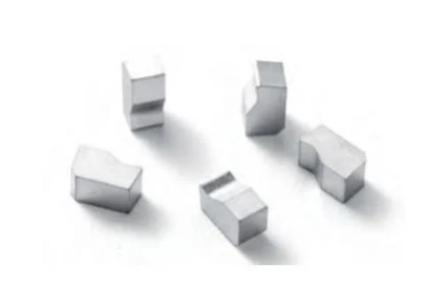
Cermet vs Carbide Materials: Selecting the Right Solution
When researching cutting tool materials, customers may encounter the term cermet carbide. Although these terms are sometimes used together, cermet and conventional cemented carbide are different material systems with different performance characteristics. Cermet materials are mainly based on titanium carbonitrides, while cemented carbide typically uses tungsten carbide combined with a metallic binder.
In continuous finishing applications, cermet materials can provide several advantages:
Excellent wear resistance: Cermet maintains edge stability during long finishing cycles.
Reduced built-up edge: Lower material adhesion helps improve surface consistency.
High-speed machining capability: Suitable grades can support increased cutting speeds under stable conditions.
Improved finishing quality: Cermet is often selected where smooth and accurate surfaces are required.
However, cemented carbide remains an important choice for applications involving heavy cutting, severe interruption, vibration, or unstable machining because of its higher toughness and impact resistance. For this reason, cutting tool manufacturers should evaluate cermet and carbide based on actual machining conditions rather than assuming one material is suitable for every application.
Why Choose CYC as a Cermet Material Supplier
CYC Carbide provides multiple cermet material grades designed for different combinations of wear resistance, toughness, cutting speed, and machining stability. CMT55 is a fine-grain, high-titanium-carbide grade developed for high-speed and light-interrupted machining applications, offering strong surface-finish performance and efficient cutting capability. CMT80A uses a higher binder content to provide improved toughness and impact resistance, making it suitable for applications requiring additional mechanical strength.
For coated solutions, CP55TM and CP80TM utilize TiAlN/TiN PVD coatings to improve wear resistance and oxidation resistance, supporting stable and long-life machining performance.This range allows cutting tool manufacturers to select suitable cermet materials according to specific production requirements, including workpiece material, machining speed, cutting conditions, and expected tool performance.
By providing different material grades rather than a single standard solution, CYC helps manufacturers optimize their cutting tool designs for different machining environments.
FAQs About Cermet Materials for Cutting Tools
What are cermet materials used for in cutting tools?
Cermet materials are mainly used for manufacturing cutting tools that require high wear resistance, stable cutting performance, and excellent surface finish. They are commonly applied in precision turning, finishing, and semi-finishing operations.
What is the difference between cermet and carbide materials?
Cermet materials generally provide better wear resistance and finishing performance, while cemented carbide offers higher toughness and better resistance to heavy impact and interrupted cutting.
Are cermet materials suitable for high-speed machining?
Yes. Properly selected cermet grades are widely used in high-speed finishing applications because they can maintain cutting-edge stability and resist wear under suitable machining conditions.
Can cermet materials be used for interrupted cutting?
Some cermet grades are suitable for light-interrupted machining. However, severe interrupted operations may require carbide materials with higher toughness and impact resistance.
How should manufacturers select the right cermet grade?
Manufacturers should consider workpiece material, cutting speed, feed rate, machining stability, surface finish requirements, and expected tool life when selecting a cermet grade.
For manufacturers seeking reliable cermet materials for cermet tool production, CYC provides a range of grades designed for high-speed finishing, continuous machining, and light-interrupted applications. By selecting the right cermet solution, tool manufacturers can achieve a better balance between surface quality, productivity, and service life.