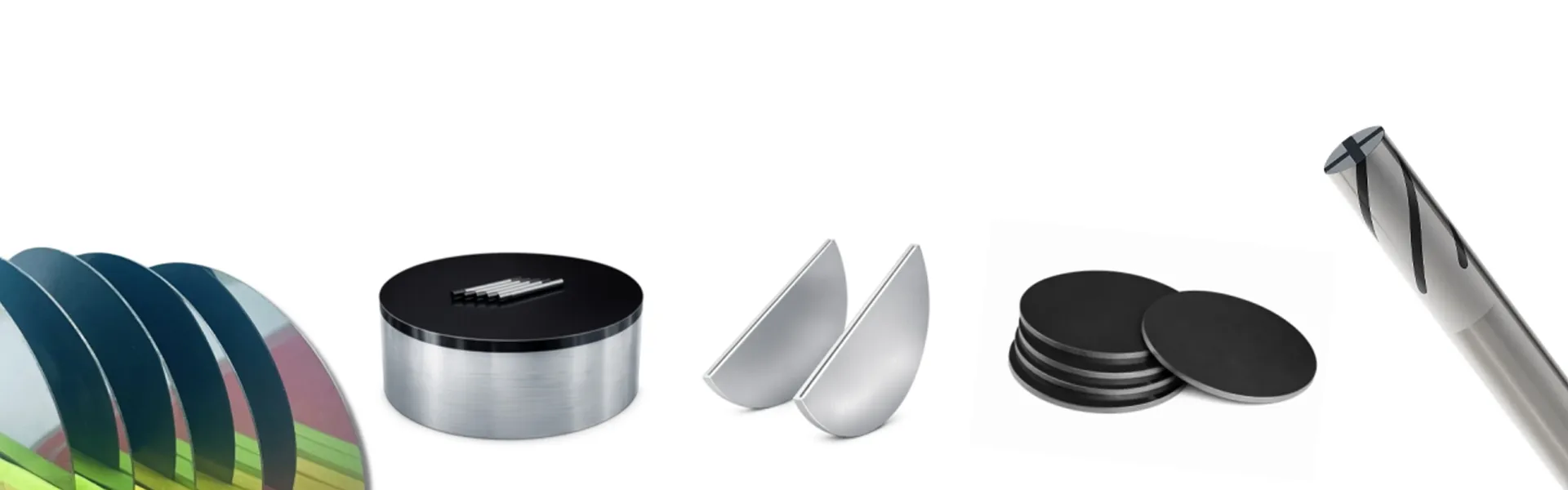
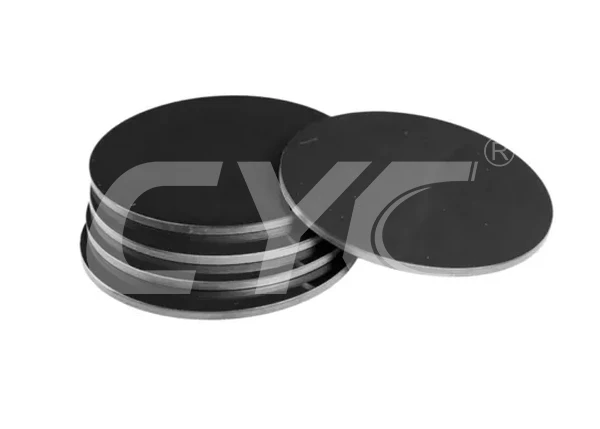
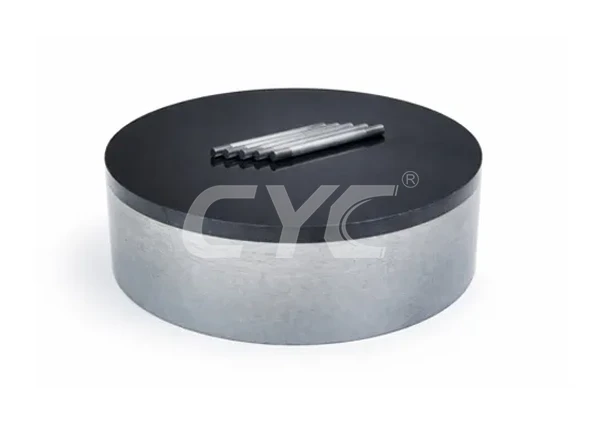
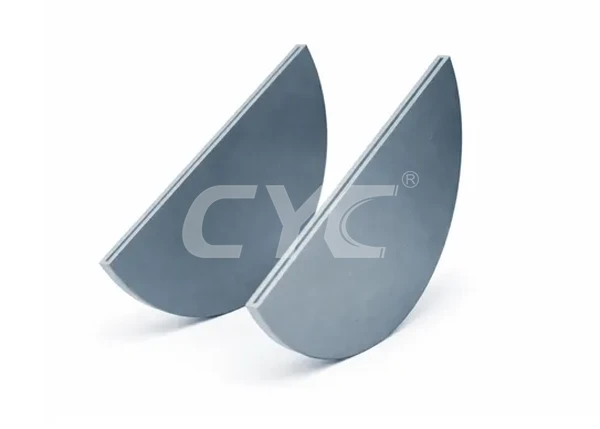
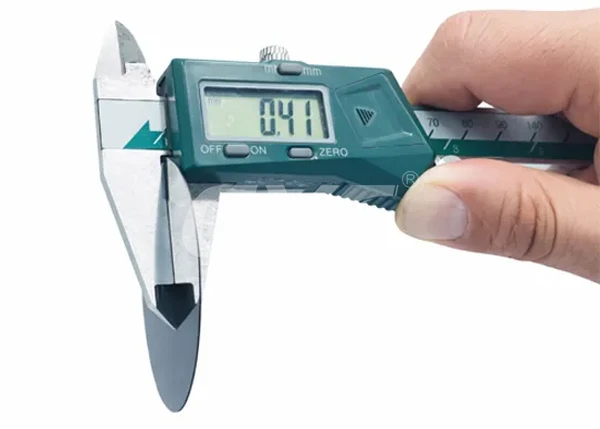
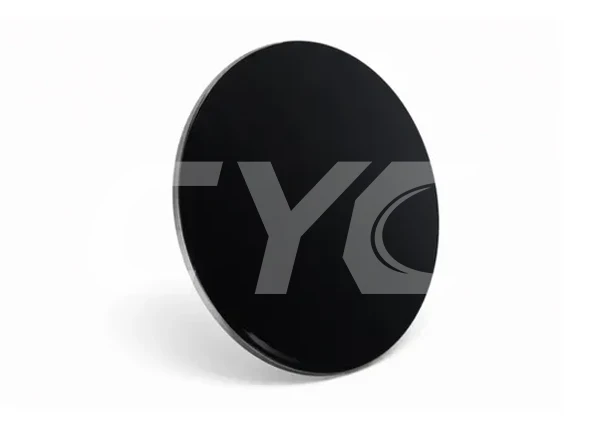
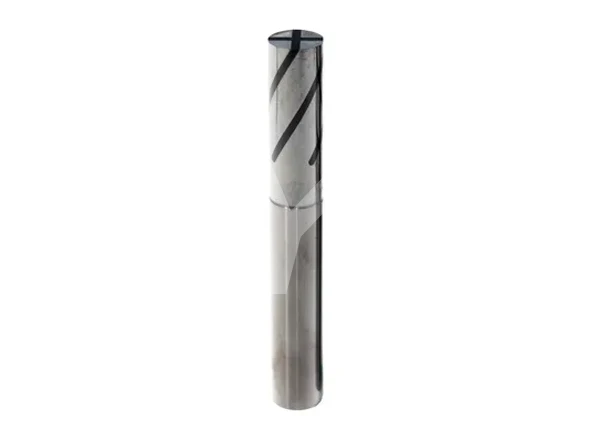
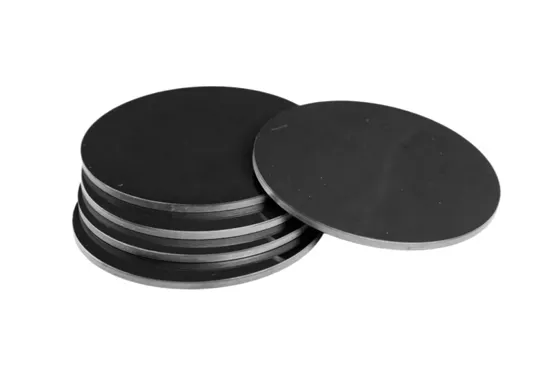

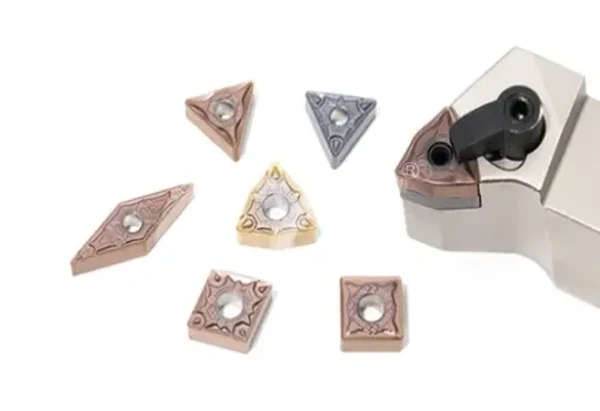
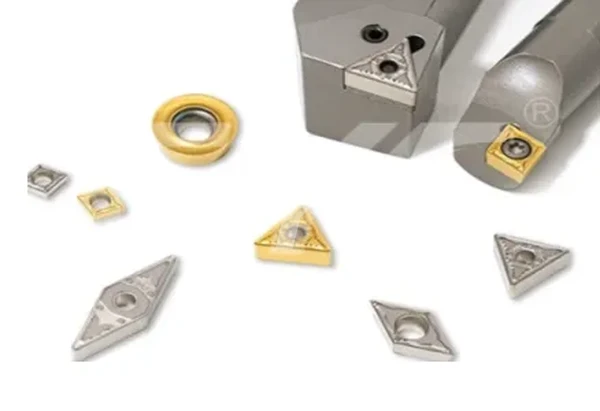
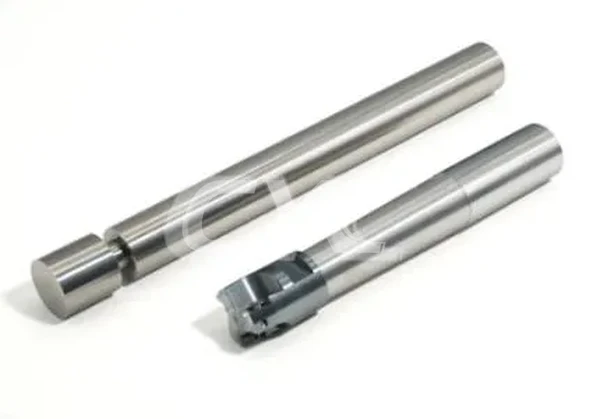
CYC polycrystalline diamond (PCD) cutting-tool materials provide a complete product ecosystem, covering all structural types, including brazed, solid, sandwich-type, and ultra-thin-layer designs. We also offer highly customizable solid PCD helical rods as a flagship solution. These products combine exceptional hardness and wear resistance with excellent toughness, delivering outstanding edge retention and extended service life. They meet the demanding requirements of high-efficiency machining (high speed and large depth of cut), high precision, and superior surface finish in advanced manufacturing applications.
PCD tools are ideal for machining a wide range of non-ferrous metals and their alloys, including aluminum, copper, titanium, and especially high-silicon aluminum alloys. They are also highly effective for non-metallic and composite materials, such as carbon fiber-reinforced plastics (CFRP), glass fiber-reinforced plastics (GFRP), graphite, ceramics, and hard rubber.
In addition, PCD tools are widely used for wood and engineered boards, including solid wood, MDF, laminates, and particleboard, as well as stone, concrete, pre-sintered cemented carbide, and electronic materials.
Beyond their broad material compatibility, PCD tools offer distinct advantages when long tool life, high productivity, superior surface finish, and high machining precision are required, making them the preferred solution for demanding, high-performance machining applications.
Compared with conventional hard materials, PCD offers an ultra-high hardness of HV 7500–9000, with special grades reaching approximately HV 10000. The polycrystalline layer features isotropic grain structure, combining extreme wear resistance with excellent toughness.
PCD also demonstrates high thermal stability—after sintering at 750 °C, its wear ratio and impact toughness remain essentially unchanged. PDC composites with a substrate can achieve a flexural strength of up to 1500 MPa, providing strong resistance to mechanical shock.
In addition, PCD has a very low coefficient of friction, only 0.1–0.3 when cutting non-ferrous metals, about half that of cemented carbide, resulting in reduced cutting forces. Its thermal conductivity reaches up to 2000 W/m·K, far exceeding cemented carbide and even surpassing silver and copper, allowing rapid heat dissipation and minimizing heat buildup at the cutting edge.
Furthermore, PCD's extremely low thermal expansion coefficient and very high elastic modulus ensure excellent tool rigidity, minimal deformation during machining, long-lasting sharpness, and consistently high machining accuracy.
Your Success Starts with a Click: Contact Us Now!